|
|||||
|
|||||
| ★ Healthspan Special | |||||
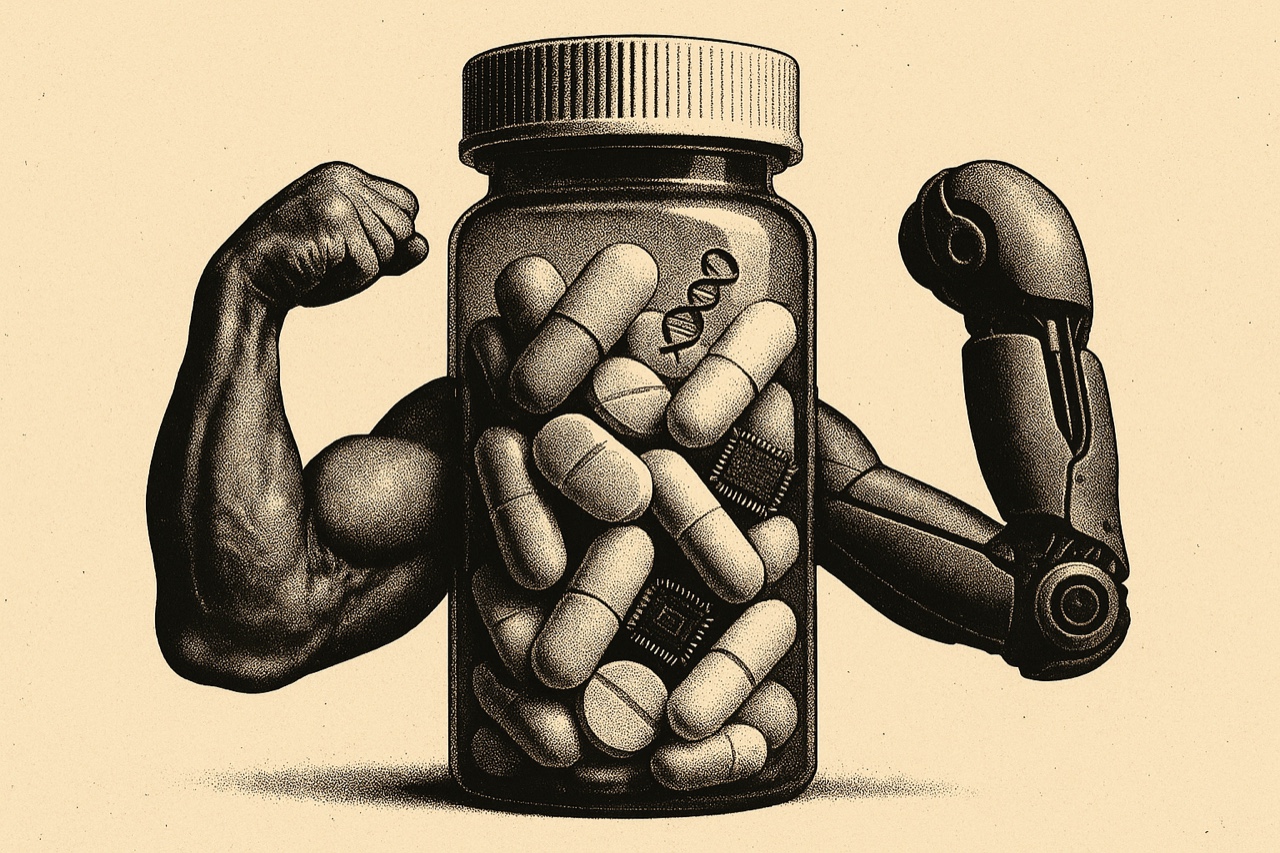
A doping olympics, mind-reading brains, and an AI quietly designing cancer drugs |
|||||
| Happy Sunday — and welcome to Weekend Edition #2. Last time we zoomed in on robotics; this one is about the other body conversation happening right now — healthspan, bionics, and AI in medicine. | |||||
| Tonight, in a Las Vegas arena, a group of elite athletes will openly race while on performance-enhancing drugs and the world will pretend to be scandalised about it. Meanwhile, in Lausanne, paralysed patients are getting brain-spine implants that let them walk by thinking. And in a building somewhere in London, an AI from Google's biology lab is designing drug molecules that will soon be inside actual human bodies in clinical trials. The future of the human body is genuinely strange right now — and the news this fortnight is a pretty good sampler. | |||||
|
★ This Week Three healthspan stories worth your Sunday |
|||||
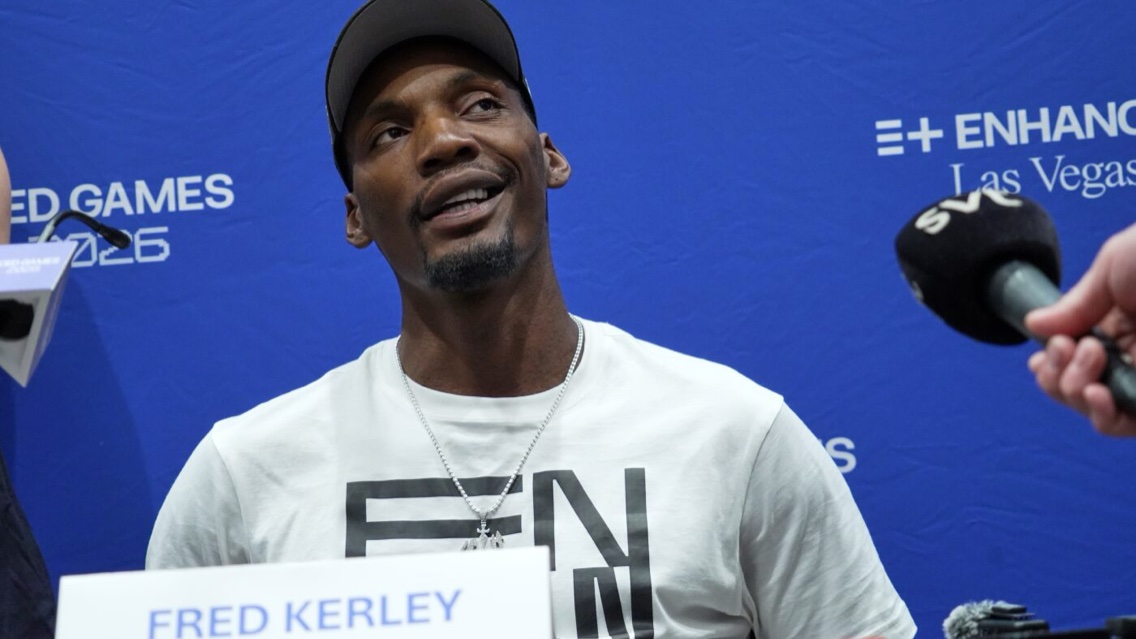
Photo: AP / Ty O'Neil |
|||||
1. The doping olympics are tonight, and yes, this is real |
|||||
| The inaugural Enhanced Games kick off tonight at Resorts World, Las Vegas. Olympic swimmers, sprinters and weightlifters competing under one explicit rule: you may use FDA-approved performance enhancers, and we'd actually like to know which ones. The organisers published the data: 91% of athletes are on testosterone, 79% on human growth hormone, 62% on stimulants. Greek sprinter-turned-swimmer Kristian Gkolomeev already broke the 50 m freestyle world record in 20.89 seconds — a mark that had stood since 2009 — and pocketed a $1 million record-breaking bonus on the way. Total purse: $25 million. Half a sporting freak show, half a giant uncontrolled clinical trial. Either way: peak 2026. | |||||
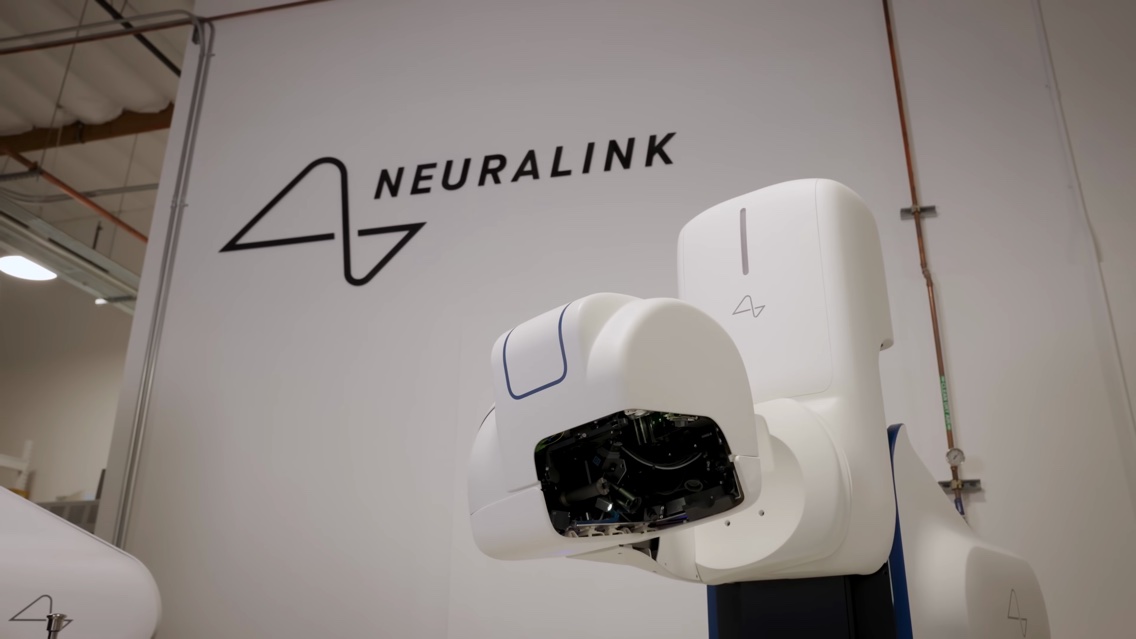
Illustration: Romandy CTO · Inspired by Neuralink |
|||||
2. Neuralink's robot can now reach any part of the brain |
|||||
| Neuralink announced its next-generation surgical robot can place electrode threads into virtually any region of the brain — pushing the company beyond paralysis and into Parkinson's, epilepsy and treatment-resistant depression. The threads (thinner than a human hair) now go through the dura instead of requiring it to be removed, and the robot compensates in real time for the micro-movement of the brain caused by your heartbeat and breathing. Twenty-plus patients are now implanted across the US, UK, Canada and the UAE, with "high-volume" production meant to start later this year. Whatever you think of Musk, the speed of the device side is real — and the field is no longer his alone (more on that below). | |||||
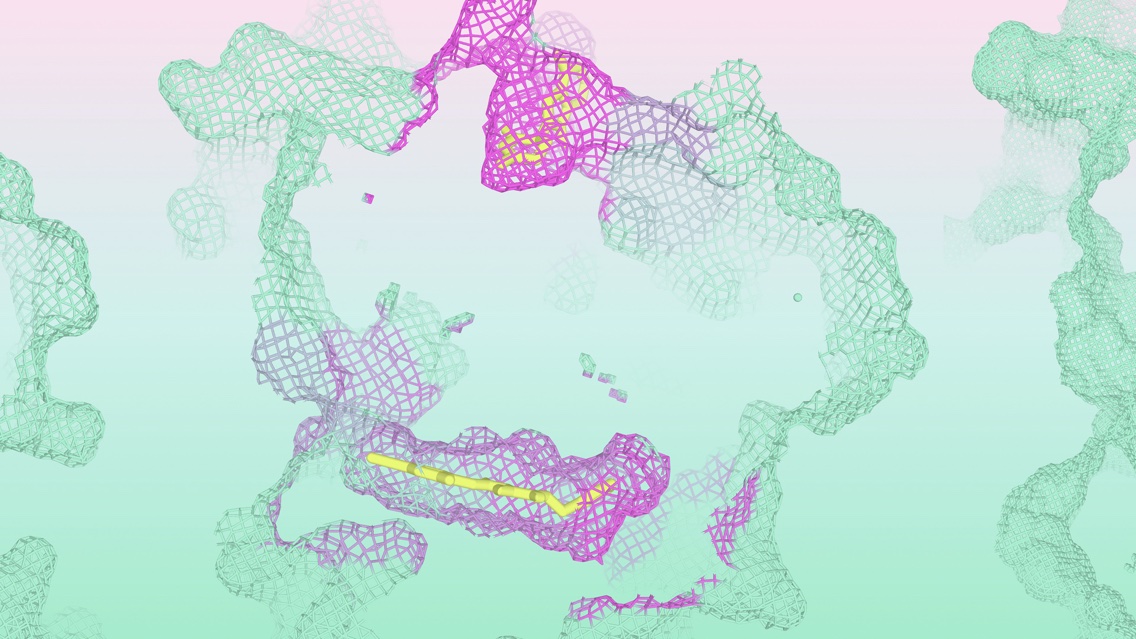
Illustration: Romandy CTO · Inspired by Isomorphic Labs |
|||||
3. DeepMind's drug-design AI is about to dose its first humans |
|||||
| Isomorphic Labs — the Alphabet spin-out built on AlphaFold — unveiled a new drug-design engine (IsoDDE) that more than doubles AlphaFold 3's accuracy on protein–ligand structure prediction, and said publicly it's "staffing up" and "getting very close" to dosing patients in trials of its AI-designed oncology candidates. Behind it: ~$600M in funding and roughly $3B in research deals with Eli Lilly and Novartis. Across the field there are now more than 170 AI-discovered drug programmes in clinical development, with about 15 in Phase III — and reported Phase I success rates of 80–90% versus the historical 40–65%. The "AI is going to design new drugs" story has officially graduated from slide deck to clinic. | |||||
|
★ Bionics in Action Where the body-2.0 stack is showing up |
|||||
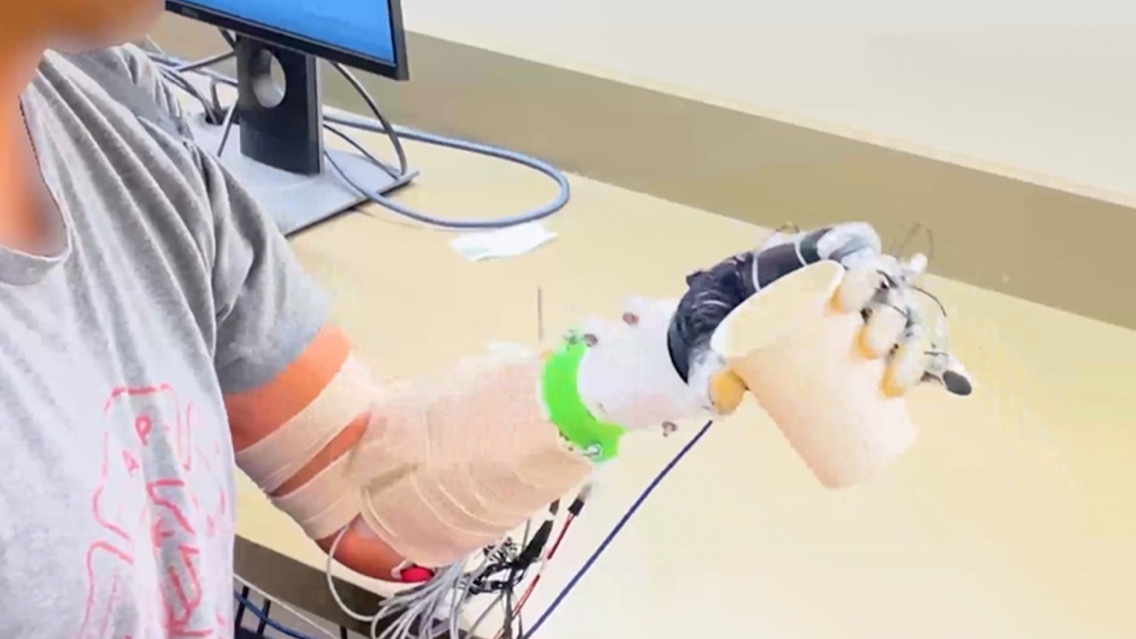
Photo: University of Utah |
|||||
A bionic hand with a mind of its own |
|||||
| University of Utah engineers grafted a small neural network onto a commercial myoelectric prosthetic, plus pressure sensors and optical proximity detectors in each fingertip. The result: the hand decides for itself how hard to squeeze a cotton ball vs. a coffee cup, so the user doesn't have to think about every finger. Pair this with Atom Bodies' upcoming $25K Atom Touch — versus the $200K state-of-the-art today — and the most advanced prosthetic arm in the world is about to cost the same as a basic one. | |||||
|
|||||
|
|||||
|
★ Industry Snapshot Everything else worth knowing this fortnight |
|||||
|
|||||
|
★ Made in Switzerland Where the body-2.0 story is being written in Romandie |
|||||
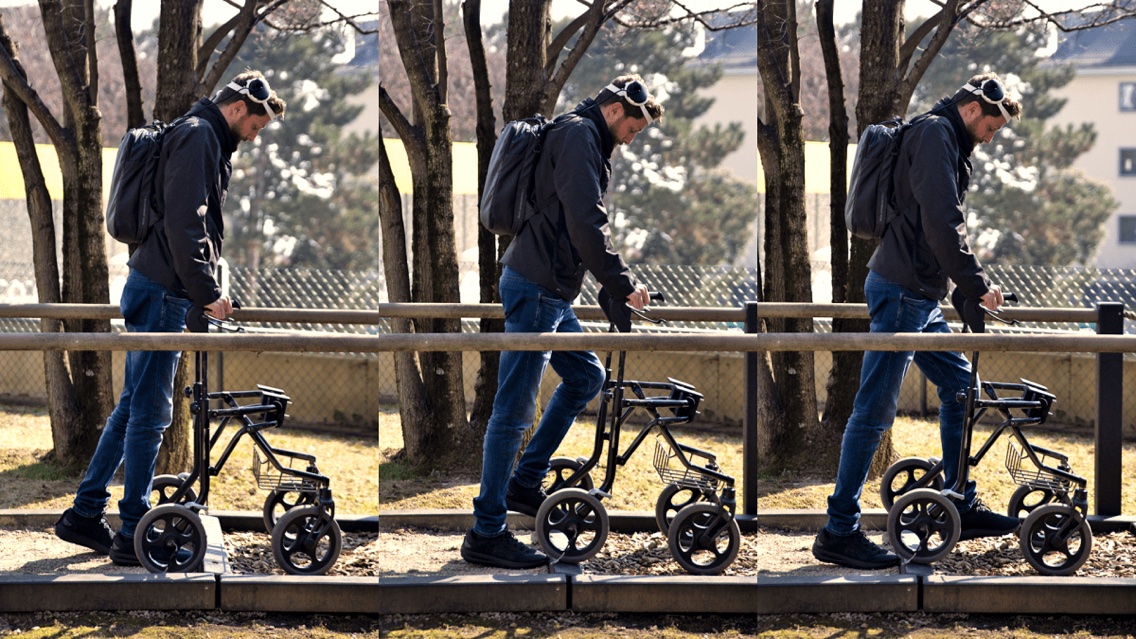
Photo: CHUV / EPFL · Onward Medical |
|||||
Lausanne keeps making paralysed people walk by thinking about it |
|||||
| In January, Onward Medical completed two more ARC-BCI implants at CHUV, bringing the total to seven patients with spinal cord injury whose brains are now wirelessly bridged to their own spinal cords — restoring thought-controlled movement. The work comes out of the Courtine–Bloch lab at EPFL/CHUV and famously let one of the early patients walk out of the lab and have a beer in town. While the BCI conversation in the US is mostly about Musk, the conversation in Europe — for now — runs through a hospital ward in Vaud. | |||||
The Swiss healthspan stack, brieflyRomandie — Onward Medical (Lausanne / Eindhoven, brain-spine BCI, 7 patients implanted), Timeline (Lausanne, EPFL spin-out, $66M Series D for its Mitopure mitochondrial-renewal molecule), MindMaze Therapeutics (Lausanne, AI-driven neurotech valued at ~CHF 1B post-merger), and Nagi Bioscience (EPFL spin-out automating drug screening in tiny model organisms). Zurich, Basel & beyond — Roche (Basel, the NVIDIA AI factory and 3,500 GPUs on home soil), Novartis (Basel, ~$3B in AI-drug deals across Isomorphic, Schrödinger and others), AYUN by Maximon (Zurich, subscription longevity clinic at CHF 5.5–8.9k/year), and Clinique La Prairie (Montreux, where wealthy Europeans have been outsourcing their ageing since 1931). Two-thirds of the European AI-in-medicine map is now sitting between Lake Geneva and the Rhine. The trick will be keeping it here. |
|||||
|
★ Sunday Reels Two clips worth your watchlist |
|||||
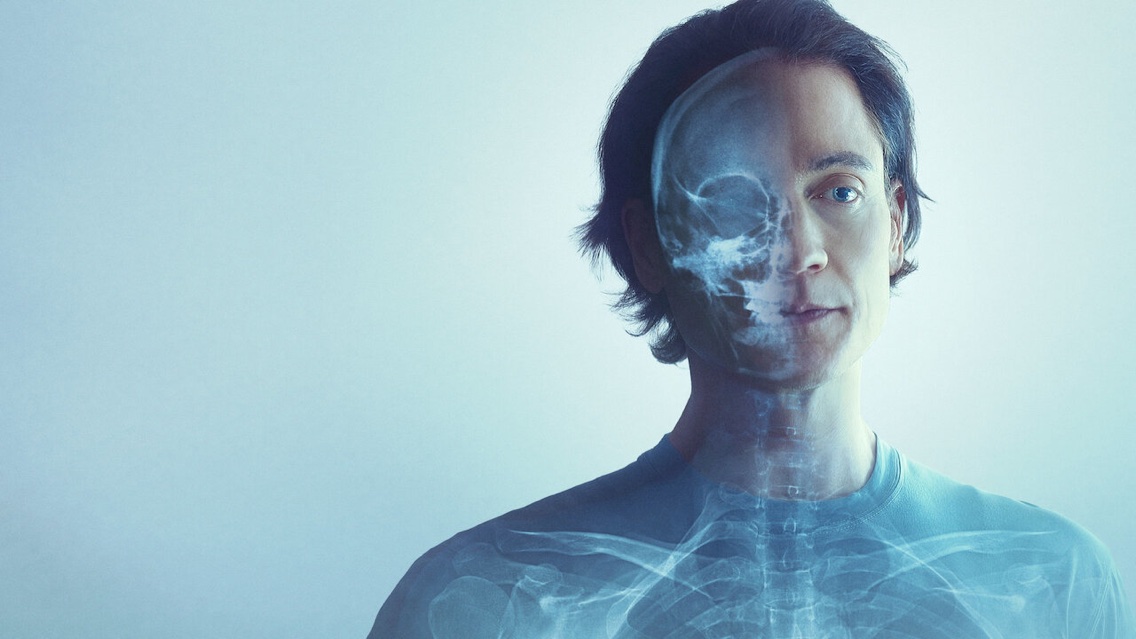
Photo: Netflix · Don't Die: The Man Who Wants to Live Forever |
|||||
Bryan Johnson would like you to pay him $1M to not die alongside him |
|||||
| The biohacker who spent his fortune trying to reverse his own ageing has now opened a $1 million "Immortals" club — three slots, full access to his Don't Die protocol, supplements down from 111 to 30 a day. Fifteen hundred people applied in the first thirty hours. Whatever your view on whether plasma transfusions from his teenage son count as medicine, the Netflix doc Don't Die: The Man Who Wants to Live Forever is the perfect Sunday-evening Netflix-and-chill watch — though, given the subject matter, the "chill" half lands somewhere between cosy and existential. The line between performance art, religion and medicine has officially dissolved. Watch the trailer. | |||||
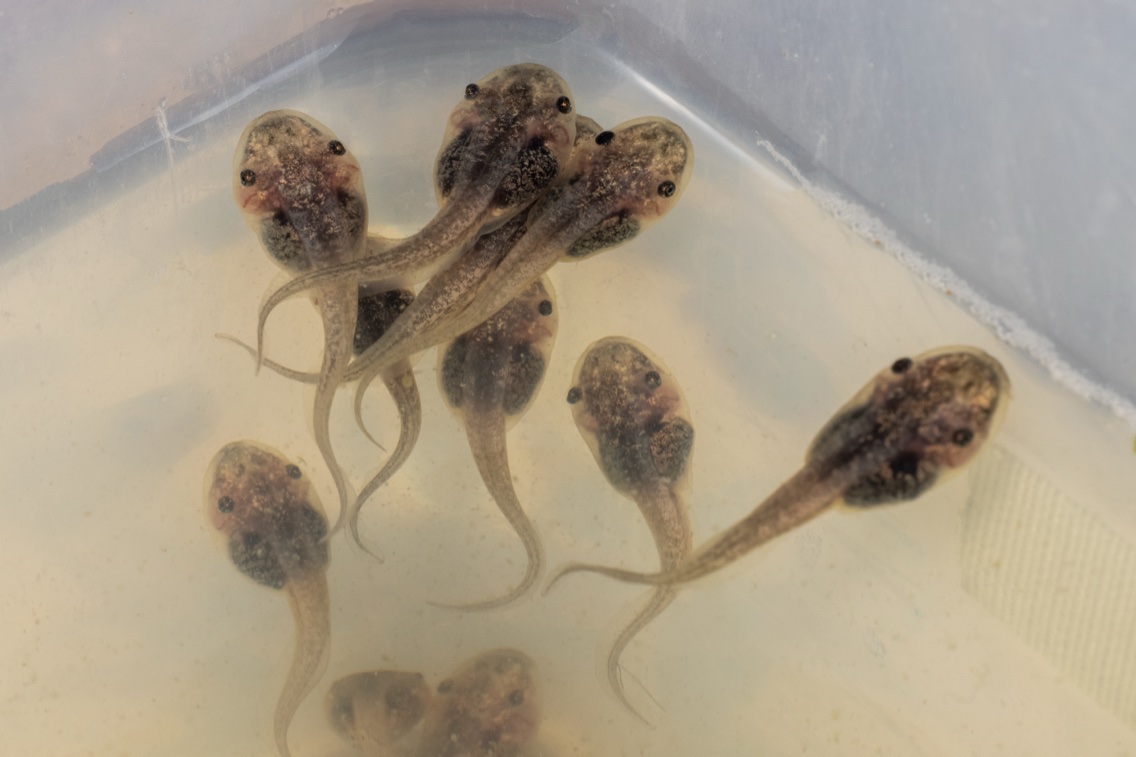
Photo: Harvard SEAS |
|||||
Harvard built cyborg tadpoles, because of course they did |
|||||
| Harvard's Jia Liu lab embedded ultra-soft, flexible neural electrodes directly into developing frog embryos. The electrodes grew with the brain — so by the time the embryo became a tadpole, the implant was already integrated, recording from neurons that had literally formed around it. It's a glimpse of how brain-computer interfaces of the future might be added to a developing organism rather than retrofitted to an adult one. Genuinely cool, slightly cursed, peak biology-meets-electronics. See how they built it. | |||||
|
|||||
| That's Weekend Edition #2. Last time it was robots beating humans at sport; this time, it's humans dosing themselves and getting beaten anyway. Progress. | |||||
| Bon dimanche, and enjoy the rest of the weekend. | |||||
| — Romandy CTO | |||||
|
Romandy CTO · A peer network for technology leaders in French-speaking Switzerland romandycto.org · Weekly column · Upcoming events |
