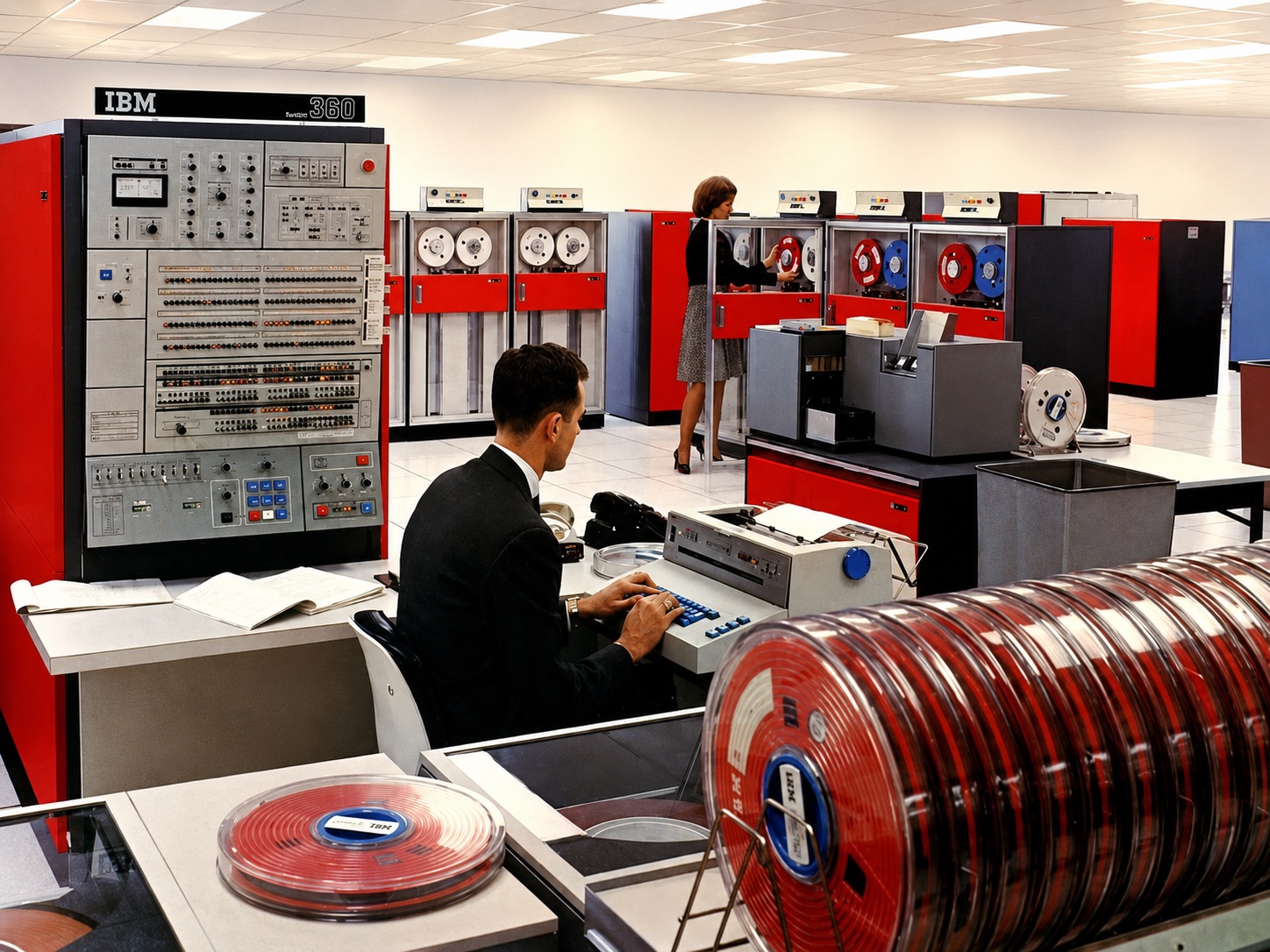
Client zero
IBM's rule for new technology: run it on yourself first.An evening inside a real HR and IT transformation — and the architectural building block that makes it possible
What we'll unpack
Agents in the workflow
A task that used to take a manager twenty minutes now happens with nobody in the room.
An employee transfer used to cost a manager twenty minutes; now nobody is in the room when it happens. Where that time went, where the risk moved — and the doors IBM keeps marked "humans only".
The game changers
A chatbot answers you. An agent acts for you, inside real work.
A chatbot is a smarter way to ask a machine a question. An agent goes further — it acts on your behalf, inside real work. What are the architectural building blocks that make that leap possible today?
Speakers
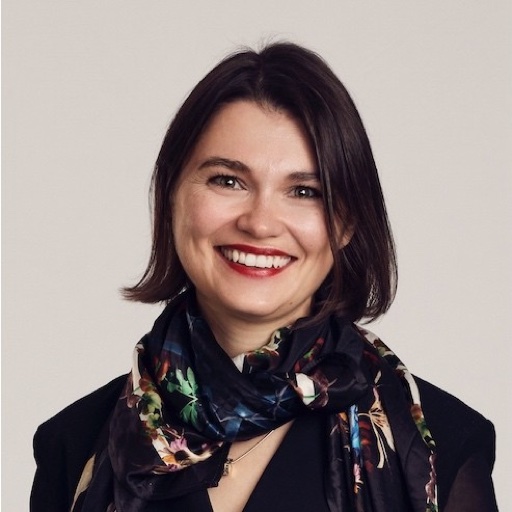
Christina Frohn
Talk 1Executive Partner, Strategy & Transformation
IBM Consulting Switzerland
View bio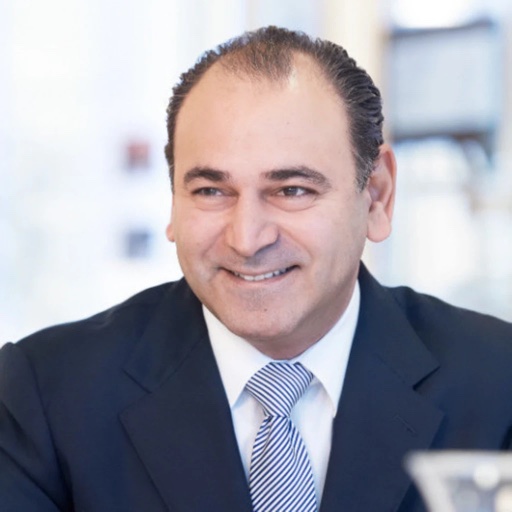
Haig A. Peter
Talk 2Manager & Department Head, IBM Innovation Studio & Think Lab Europe
IBM Research Europe
View bio
How the night unfolds
Doors open & networking
Inside a real HR & IT transformation — when software starts doing the work — Christina Frohn (30 min)
The game-changing architectural building block that makes it possible — Haig A. Peter (30 min)
Q&A (15 min)
Apéro & networking
Hosted by
IBM
IBM, Salle Centerstage, Esplanade de Pont-Rouge 9A, 1212 Lancy
About this event
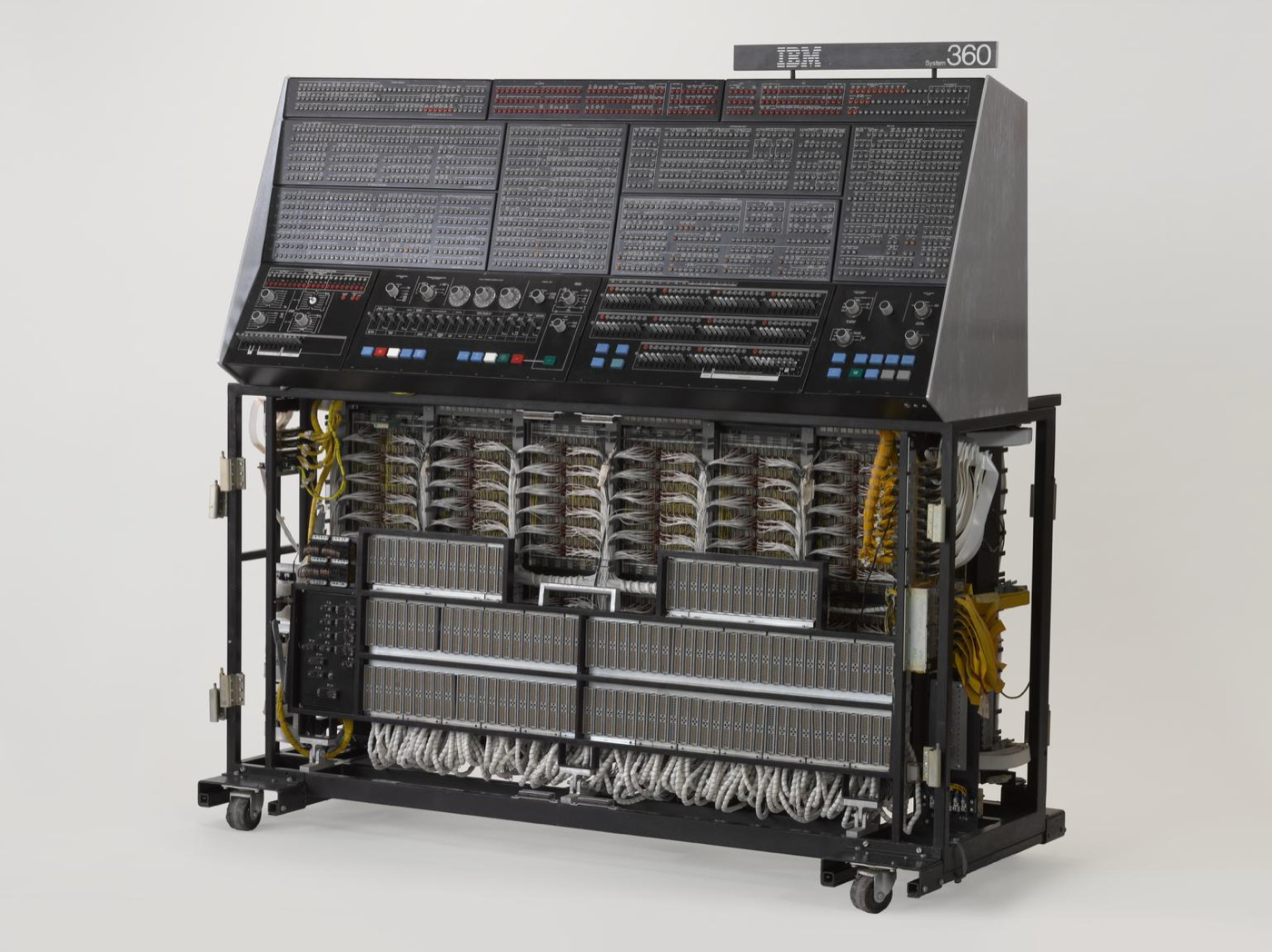
In 1964, IBM bet the company on a machine called System/360 — and enterprises handed it their payroll, their inventory, their arithmetic. Computing became something a company simply had, like electricity. Sixty years later, the interesting machines no longer compute answers; they take actions.
IBM's rule for technology hasn't changed since the mainframe: before you sell it to anyone, run it on yourself. Internally, the rule has a name — Client Zero.
This evening opens the books on that experiment — the one IBM says has unlocked 4.5 billion dollars in productivity since 2023. First, the transformation itself: a large enterprise rebuilding HR and IT around software that acts. The password resets no human touches anymore. The employee transfers that used to cost a manager twenty minutes each, thousands of times a year. And the decisions that stubbornly stay human. Then the part that never makes the demo: the architectural building block that makes all this work today — and puts the same capability within reach of every enterprise, not just IBM.
That second talk comes from IBM's research lab in Rüschlikon, on the shore of Lake Zurich, part of IBM Research Europe. IBM has run a research lab in Switzerland since 1956, and this one has two Nobel Prizes in physics, won in consecutive years. The 1986 prize was for the scanning tunnelling microscope, the first instrument that let scientists see individual atoms on a surface. The 1987 prize was for superconductivity in ceramic materials, discovered at the lab only the year before: by IBM's account, the shortest gap between a discovery and a scientific Nobel on record. Today researchers from more than 45 countries work there on AI, data and security. On the same campus, Haig A. Peter runs the IBM Think Lab Europe and Innovation Studio, where IBM's clients come to see what those researchers are building.
Q&A after the talks, then an apéro — the part where the real questions get asked. Seats are limited, and registration is open on this site. Salle Centerstage, first floor — twenty metres from the Lancy Pont-Rouge train station.
Join the conversation
October 15, 2026 · 6:30 PM CET
IBM, Salle Centerstage, Esplanade de Pont-Rouge 9A, 1212 Lancy
Reserve your spot →Registration closes when spots run out.
Can't make October 15, 2026?
Apply to join the network and get the next invite.
Regular evenings across Romandy. Always in person.
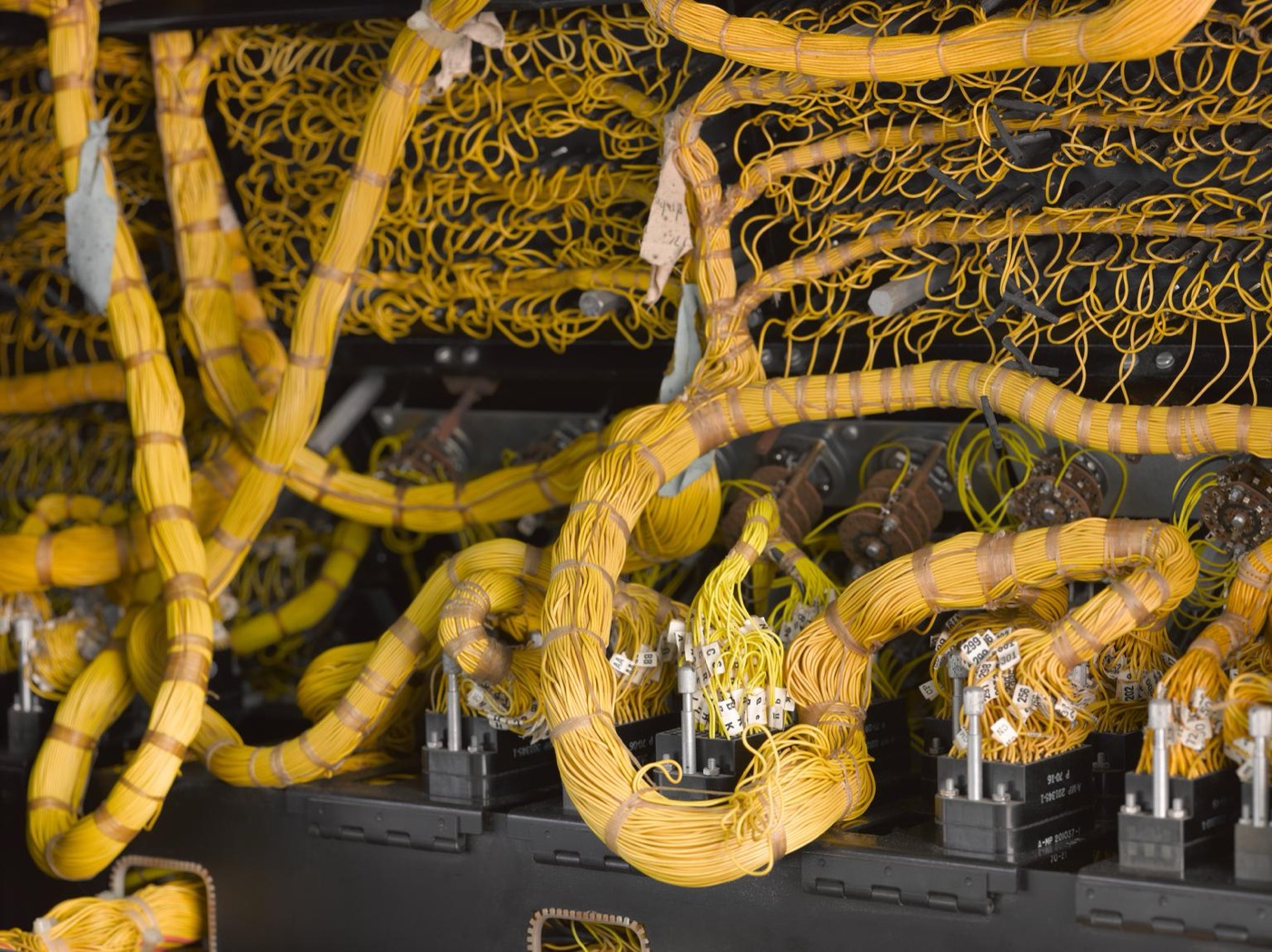
Apply to join →Background imagery: IBM System/360-195 computer (used at the Meteorological Office, 1971–1978). Science Museum Group Collection © The Board of Trustees of the Science Museum, CC BY-NC-SA 4.0.