
Memento vivere
The Longevity RevolutionAn evening on the technology of healthy aging— wearables, digital biomarkers, and years worth living
What we'll unpack
What can we measure, and does it matter?
Millions of data points. Do any of them matter to the person wearing them?
Your watch counts every heartbeat and guesses at your sleep. Digital biomarkers are the craft of turning that stream into something meaningful rather than something merely abundant.
And the awkward follow-up: what does your watch know that your physician does not, and what will it never know?
Does it matter medically?
How many of those measurements would a clinician actually act on?
The clinical view: which signals genuinely forecast healthy cognitive aging, and how many of a smartwatch's millions of readings a doctor would use to make a decision rather than delete.
Would you want a device that told you, with reasonable accuracy, that you are likely to develop dementia in fifteen years? At what level of certainty would you tell the patient?
Can it be made trustworthy?
The distance between an interesting signal and something a regulator accepts.
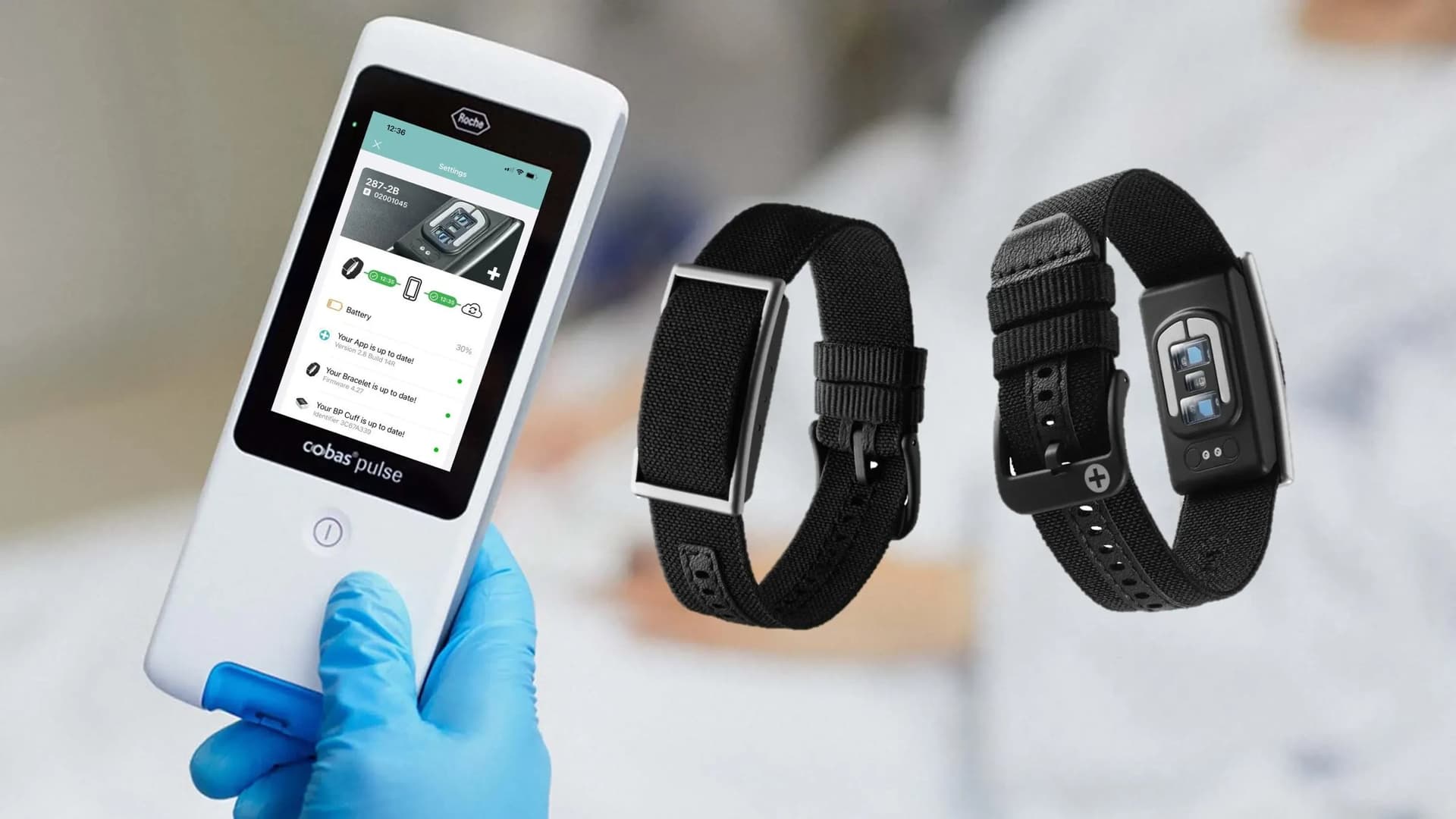
Turning a physiological signal into something patients, clinicians and regulators will trust is a different discipline from detecting it. The consumer and medical-device boundary is real, and it is moving.
Then the questions nobody enjoys: if a watch spots deterioration six months before the annual check-up, who is responsible for acting on it? And would you hand your insurer that data for a discount?
Speakers
Prof. Katarzyna Wac
PanellistProfessor & Director, Quality of Life Technologies Lab
University of Geneva
View bio
Dr. Lukas Sveikata
PanellistNeurologist & privat-docent
HUG & University of Geneva
View bio
Robert van Pappelendam
PanellistStrategic Advisor
Corsano Health
View bioHow the night unfolds
Doors open & networking
Opening statements
Panel — what we can measure, whether it matters medically, and what can be trusted
Questions from the room
Apéro & networking

Apéro sponsored by
Sponsor to be announced
About this event
The Greeks told of Tithonus, granted eternal life but not eternal youth: he aged without end, shrinking and creaking until all that remained was a cicada's rasp. It is the oldest warning in the longevity business, and it still holds. More years was never the point. Better years is.
More years was never the point. Better years is. Memento mori, ergo memento vivere — remember you must die; therefore, remember to live.
Three people who look at the same problem from different sides open with a short statement each, then argue it out.
Prof. Katarzyna Wac asks what we can actually measure, and whether the millions of data points our devices collect measure anything that matters to the person wearing them. Dr. Lukas Sveikata asks whether any of it matters medically, and whether a beautiful graph is something a clinician should act on. Robert van Pappelendam, who advises the medical-device maker Corsano Health, takes the third question: whether a physiological signal can be turned into something patients, clinicians and regulators will trust.
From there it gets harder. Could measuring your health make you less healthy? If the watch says you slept badly and you feel fine, which one is wrong? Are we measuring longevity or measuring wealth? And if we can predict a disease we cannot prevent, should we predict it at all?
This is the first evening in a series. The World Health Organization describes a life across 24 facets in four domains — physical health, psychological, social relationships, environment. A wristband reaches a handful of them. What you can still do on your own, who is around you, whether you feel safe where you live: none of that shows up in a graph, and all of it decides whether a year was worth having. Tithonus had the years. He had none of the rest.
Join the network
Apply to join the network and get the next invite.
Regular evenings across Romandy. Always in person.
Apply to join →Register-section background: Lucas Cranach the Elder, The Fountain of Youth (Der Jungbrunnen), 1546 — Gemäldegalerie, Berlin. Public domain.